
Down Syndrome Home Care Support at Home: Practical Help for Families and Caregivers
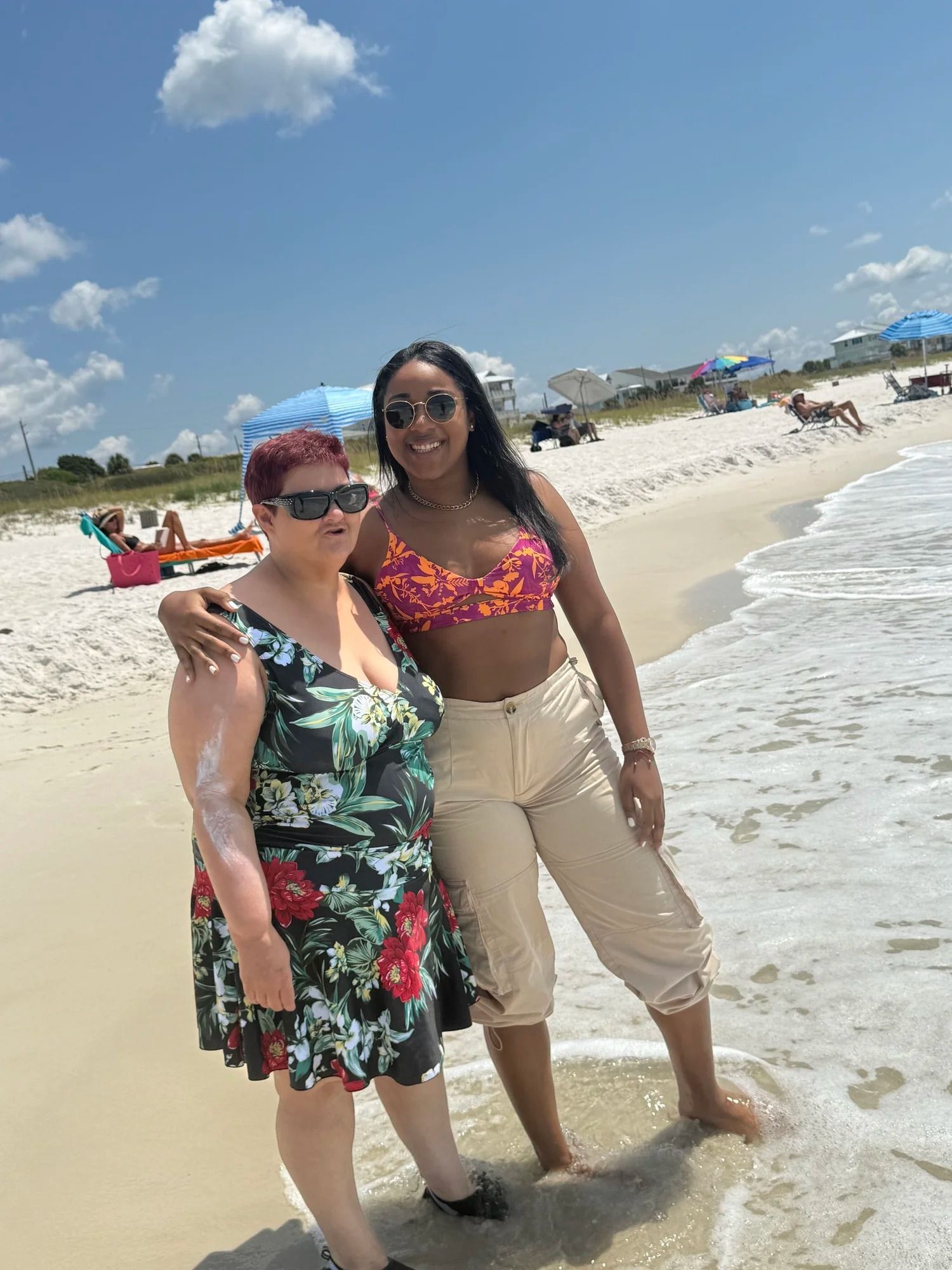
If you are caring for a loved one with Down syndrome, the right support at home can improve safety, daily routines, independence, and caregiver well-being. This guide explains how person-centered, in-home support can help your family build a safer, calmer, and more sustainable routine.
Families often receive recommendations from doctors, therapists, schools, and care teams, but the hardest part is usually making those recommendations work in real life at home. That is where practical home care support can make a meaningful difference.
At Essential Living Support, the focus is on helping your loved one with Down syndrome thrive in a familiar environment while helping you feel more supported and less overwhelmed.
Who This Guide Is For
This article is for:
- Parents and family caregivers of children, teens, or adults with Down syndrome
- Guardians and decision-makers exploring in-home support options
- Case managers, social workers, and care coordinators looking for family-friendly resources
- Families who need help with routines, safety, skill-building, or respite support
What Down Syndrome Home Care Support Means in Everyday Life
Down syndrome is a genetic condition caused by an extra copy of chromosome 21. It can affect development, learning, communication, and health across the lifespan. However, a diagnosis does not define your loved one. Your loved one has strengths, preferences, goals, and a unique personality that should guide how support is provided.
That is why person-centered home support matters.
Home care support for Down syndrome is not just about helping with tasks. It is about turning daily care into opportunities for:
- safety
- confidence
- skill-building
- communication support
- consistency
- dignity
- independence over time
Why In-Home Support Matters for Families Caring for Someone With Down Syndrome
Most care plans begin in clinics, therapy settings, schools, or program meetings. Real life happens at home.
Home is where your loved one:
- wakes up and starts the day
- practices hygiene routines
- eats meals
- manages transitions
- handles emotions
- builds life skills
- rests and resets
When support is built into the home environment, families often experience:
- smoother routines
- fewer daily struggles
- better follow-through with care plans
- more confidence for the individual
- less caregiver stress
Common Areas Where Families Need Support at Home
Many families caring for someone with Down syndrome need support with:
- personal care routines (bathing, dressing, grooming, toileting)
- meal support and nutrition routines
- medication reminders and routine monitoring
- mobility and home safety supervision
- behavior redirection and transition support
- life skills practice and repetition
- community participation and social confidence
- caregiver relief and respite planning
If this sounds like your household, you are not alone. These are common and important support needs.
What In-Home Down Syndrome Support Can Include
The right support plan depends on your loved one’s age, abilities, health needs, communication style, and goals. In-home support may include the following services and strategies.
Personal Care Assistance
Support with bathing, dressing, grooming, toileting, and hygiene routines can help your loved one stay safe, healthy, and comfortable while preserving dignity.
Learn more about personal care services:
Personal Care Services
https://www.essentiallivingsupport.com/personal-care-services
Meal Support and Daily Routine Assistance
Support may include:
- meal planning support
- simple food preparation
- supervision during meals
- safe participation in cooking tasks
- routine-building around breakfast, snacks, and dinner
Consistent meal routines can support both health and daily structure.
Medication Reminders and Observation of Routine Changes
Families may need help with medication reminders and watching for changes in:
- sleep
- mood
- energy
- appetite
- behavior
- participation in daily routines
This kind of support can be especially helpful when families are balancing multiple appointments, therapies, and responsibilities.
Mobility and Home Safety Support
Support at home can include helping your loved one move safely through daily routines, use equipment correctly, and reduce preventable safety risks in the environment.
Life Skills Development and Independence-Building
In-home support can also focus on step-by-step practice with practical daily living skills such as:
- organizing personal items
- laundry
- simple household chores
- money handling
- shopping routines
- following a visual or verbal routine
Learn more about life skills development:
Life Skills Development
https://www.essentiallivingsupport.com/life-skills-development
Community Participation and Social Connection
Support should not stop at the front door. Many individuals with Down syndrome benefit from structured help with:
- outings
- community activities
- volunteering
- social routines
- communication practice in real-world settings
Learn more about social and community integration:
Social and Community Integration
https://www.essentiallivingsupport.com/social-and-community-integration
A Person-Centered Approach to Down Syndrome Support at Home
The best home support plans are not one-size-fits-all. What works for one person may not work for another.
A person-centered approach means support is built around your loved one’s:
- strengths
- preferences
- communication style
- health needs
- routines
- goals
- comfort level
- pace of learning
This approach helps support feel more respectful, more effective, and easier to maintain over time.
What a Strong Home Support Plan Should Include
A practical home support plan should consider:
- health history and current diagnoses
- communication methods and preferences
- daily routines and transitions
- strengths and interests
- sensory or behavioral triggers
- safety concerns in the home
- caregiver stress points
- family priorities and goals
Instead of a generic checklist, a good plan should fit your real household and your real daily routine.
Helpful pages:
Frequently Asked Questions
https://www.essentiallivingsupport.com/faq
Family Care Resources
https://www.essentiallivingsupport.com/24/resources
How Home Care Support Helps Build Independence Over Time
Independence grows through practice, repetition, patience, and support, not pressure.
For many individuals with Down syndrome, progress happens when skills are broken down into small, achievable steps and practiced in the same places they are used every day.
Examples of Daily Living Skills That Can Be Practiced at Home and in the Community
- simple meal prep and kitchen safety
- grocery shopping and choosing items
- laundry and clothing organization
- cleaning and organizing personal spaces
- money handling and small purchases
- time awareness and routine transitions
- community navigation
- social communication and participation
The goal is not perfection. The goal is meaningful progress, confidence, and greater participation in daily life.
If you want a deeper look at this approach, visit:
Life Skills Development
https://www.essentiallivingsupport.com/life-skills-development
Social and Community Integration
https://www.essentiallivingsupport.com/social-and-community-integration
Creating a Safer, Calmer Home Environment
A supportive home environment can reduce stress, improve routines, and make daily life easier for everyone. Small changes often create big results.
Home Safety Changes and Environmental Supports That May Help
- non-slip mats and grab bars where needed
- clear walking paths and reduced clutter
- improved lighting in bedrooms, hallways, and bathrooms
- labels, pictures, or color cues for rooms and items
- safe medication storage
- locked storage for cleaning products and hazardous items
- organized routine stations for hygiene, meals, bedtime, or day program preparation
These changes can support safety, reduce confusion, and help your loved one move through the day with more confidence.
Related article with practical ideas:
5 Home Modifications for Dementia: Challenges Addressed
https://www.essentiallivingsupport.com/5-home-modifications-for-dementia-challenges-addressed
Even though that article focuses on dementia, many of the practical home setup ideas can be adapted for families supporting someone with Down syndrome, especially when attention, memory, sensory, or routine challenges are involved.
Why Caregiver Support Is Part of the Care Plan
If you feel exhausted, stretched thin, or constantly on alert, that does not mean you are failing. It means you are carrying a lot.
Families supporting a loved one with Down syndrome often manage:
- medical appointments
- therapy schedules
- school or program coordination
- behavior support
- safety supervision
- household tasks
- emotional stress and uncertainty
Caregiver support is not optional. It is part of sustainable care.
Why Respite Support Can Make a Big Difference
Respite support can help you:
- reduce burnout
- protect your physical and mental well-being
- handle work and family responsibilities
- keep routines stable at home
- return to caregiving with more patience and energy
Related support pages:
24/7 Respite:
https://www.essentiallivingsupport.com/24/7-respite
Home and Community Based Care Guide:
https://www.essentiallivingsupport.com/blog/how-to-choose-home-and-community-based-care-cheyenne
You may also relate to this caregiver stress article:
The Weight Mothers Carry With Severe Cerebral Palsy Care at Home
https://www.essentiallivingsupport.com/blog/weight-mothers-carry-severe-cerebral-palsy
While the diagnosis is different, many caregivers share similar emotional and practical challenges when providing long-term support at home.
How Families Benefit From the Right Down Syndrome Home Care Support
With the right support at home, families often notice improvements such as:
- more consistent daily routines
- better hygiene participation
- safer habits at home
- improved follow-through with care recommendations
- stronger life skill confidence
- more community participation
- reduced caregiver stress
- more stability across the household
When support is respectful, practical, and person-centered, your loved one is more likely to feel secure, capable, and included.
What to Expect When You Reach Out for In-Home Support
You do not need to have everything figured out before asking for help.
A good first conversation may include:
- your loved one’s age and current support needs
- your biggest daily challenges
- safety concerns
- current services or supports (if any)
- goals for home routines, independence, and community participation
- questions about available services or funding options
From there, you can explore what support makes the most sense for your family and build a plan step by step.
Start here:
Essential Living Support Home Page
https://www.essentiallivingsupport.com
Frequently Asked Questions
https://www.essentiallivingsupport.com/faq
Family Care Resources
https://www.essentiallivingsupport.com/24/resources
Down Syndrome Home Care Support That Meets Your Family Where You Are
You do not have to carry everything alone. Caring for a loved one with Down syndrome can bring joy, pride, and deep connection, but it can also be physically and emotionally demanding.
The right in-home support can help your family build safer routines, strengthen daily living skills, reduce caregiver stress, and support long-term independence in a way that fits your real life.
If your family needs dependable in-home support, respite options, or help building daily living skills, contact Essential Living Support to talk through what support may fit best.
Frequently Asked Questions About Down Syndrome Home Care Support
Can a person with Down syndrome benefit from home care support?
Yes. Home care support can improve safety, structure, daily routines, and independence for individuals with Down syndrome while reducing stress for families. Support can be tailored to your loved one’s needs, abilities, and goals.
What kind of in-home support is available for someone with Down syndrome?
In-home support may include personal care, hygiene assistance, meal support, medication reminders, safety supervision, life skills practice, and community participation support.
Can home care support help my loved one become more independent?
Yes. A person-centered approach helps build independence by practicing daily living skills in small steps, at the person’s pace, in real-life settings like the home and community.
Do you provide support only at home, or also in the community?
Support can include both home-based and community-based assistance. Community support may include outings, social activities, volunteering, and other opportunities that build confidence and connection.
I feel burned out. Is respite care a good option?
Yes. Respite care is a valuable support for caregivers. It can help you rest, handle responsibilities, and reduce burnout while your loved one continues receiving safe, structured support.
How do I get started with in-home support for my family?
The best first step is to reach out for a conversation about your loved one’s needs, your daily challenges, and your goals. From there, you can explore services and build a plan that fits your family.
About the Author
Richard Brown Jr., MBA-HCM, BS Healthcare Administration, is the Founder of Essential Living Support, LLC, a veteran-owned home-based care provider in Cheyenne, Wyoming. I provide person-centered support for Veterans and adults with intellectual and developmental disabilities (I/DD) through VA Medical Foster Home services and Home and Community-Based Services. My focus is practical, safety-minded support that protects dignity, promotes independence, and strengthens community inclusion.
Transparency and Scope
This article is provided for general educational purposes and reflects my professional experience along with publicly available guidance. It does not create a provider-patient relationship and is not medical, legal, or clinical advice. For guidance specific to your situation, contact your VA care team, primary care provider, case manager, or an appropriate licensed professional.
Contact
If you would like to discuss home-based care options in Cheyenne, Wyoming, you can reach me here:
Contact: https://www.essentiallivingsupport.com/contact
Google Business Profile: https://maps.app.goo.gl/qP5oziBJHXgHGUhW8
Core Values of Essential Living Support, LLC
Dignity. Respect. Independence. Always.
Last updated: