When Ending Services Is an Act of Care
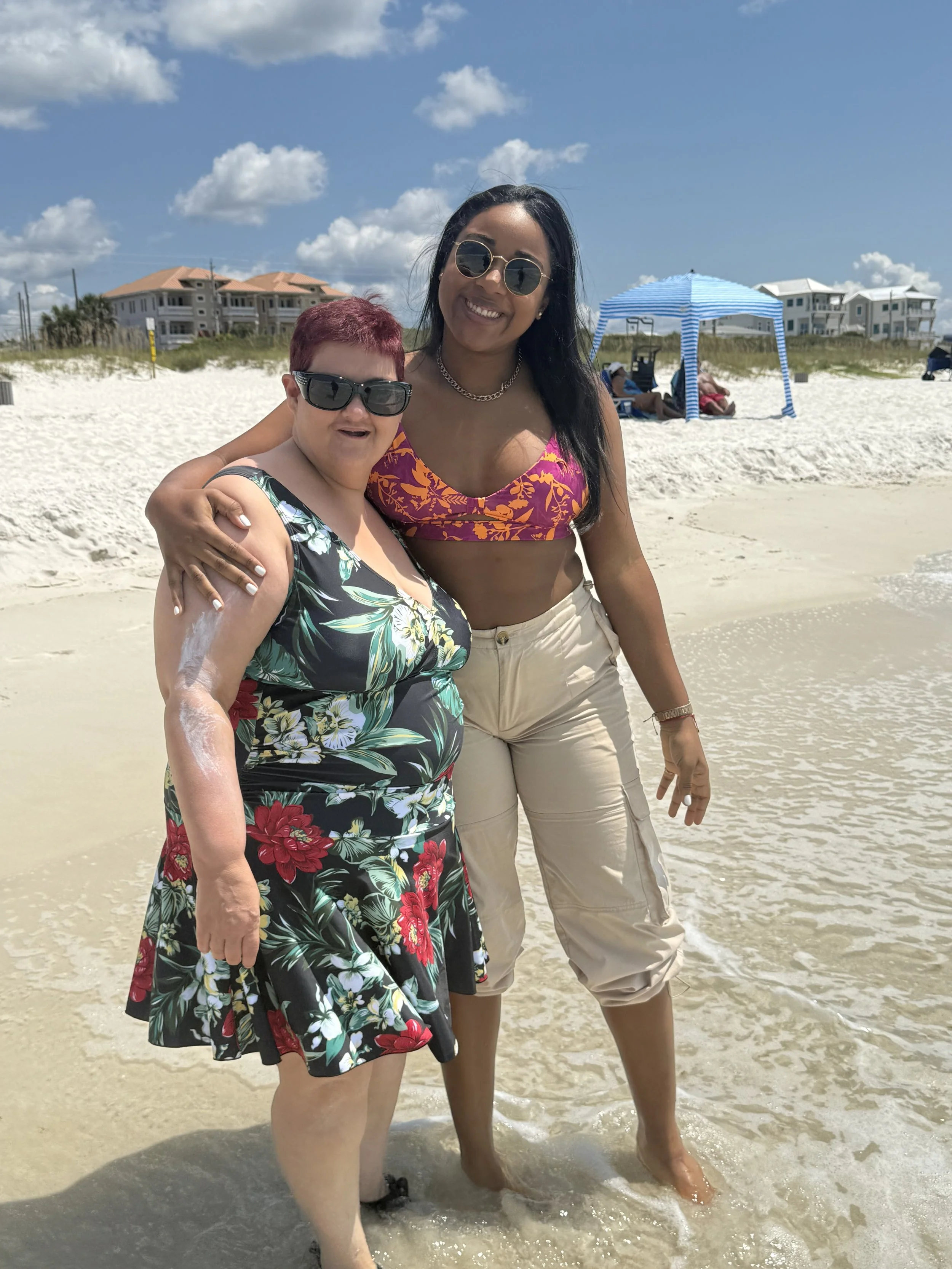
Client enjoying community outing at beach with Essential Living Support, LLC
In home and community based services, people often talk about starting services. New goals, new routines, and new supports are all exciting. What is talked about far less is the reality that sometimes a service relationship is no longer a good fit.
At Essential Living Support, LLC, we believe that recognizing when things are not working is just as important as celebrating when they are. This is part of how we protect safety, dignity, and trust for everyone involved.
Why “Fit” Matters in Care
Every person who receives services brings unique needs, preferences, strengths, and challenges. Every provider brings a specific environment, structure, and approach. When those pieces line up, people can grow, gain skills, and feel truly supported.
When they do not line up, the individual can feel frustrated or misunderstood. Families and guardians can feel unheard. Providers can feel that expectations are not clear or realistic. Over time, this misalignment can affect safety, consistency, and quality of life.
Good care is not only about what we do. It is also about whether the setting is the right match for the person.
Our Commitment in Every Service Relationship
In our work with Veterans and adults with disabilities, we are committed to:
Safety for the individual and for everyone in the home
Respect in how we talk to and about people
Clear communication with guardians, families, and case managers
Consistency in routines, expectations, and follow through
Most of the time, this means working through concerns together. We listen, adjust plans, clarify expectations, and look for solutions that keep the person stable, supported, and successful in their home and in the community.
When Continuing Services Is Not in the Best Interest of the Person
There are rare situations where continuing services is no longer in the best interest of the individual, the provider, or the team.
When that happens, we do not make decisions lightly. We:
Review the situation carefully and consider the impact on the person and the home
Follow the appropriate policies and program rules
Provide notice as required
Communicate with the guardian and case manager
Support a safe transition to another provider or setting whenever possible
Ending services is never about giving up on a person. It is about being honest when the supports, expectations, or communication are no longer aligned and acknowledging that staying in the same situation may not be best for anyone.
Allowing a Client to Find a Better Situation
Allowing a client to find a better situation is one of the best things any provider can do. Sometimes the most supportive choice is to step back, acknowledge that the current environment is not the right match, and help the person connect with a provider or setting that fits their goals, preferences, and support needs more closely.
This can mean:
A home with a different pace or structure
A provider with a different communication style
A setting with more or less stimulation
A team whose expectations align more closely with the individual and their guardian
Supporting someone to move toward a better fit is still an act of care.
Our Responsibility as a Provider
Our responsibility at Essential Living Support, LLC is to provide high quality, ethical care. Sometimes that means adjusting how we support someone. Sometimes it means being clear that a particular placement is no longer appropriate and helping the person move on in a way that protects their dignity and opens the door to a better match elsewhere.
We understand that changes in services can be emotional and difficult. We also know that honesty, transparency, and respect are the foundation of long term trust with the people we serve, their families, guardians, and case managers.
If you have questions about how we approach fit, services, and transitions, we welcome those conversations. We believe that everyone deserves care in an environment that truly supports who they are and who they are becoming.